5 Common Cold Chain Monitoring Mistakes and How to Avoid Them

5 Common Cold Chain Monitoring Mistakes and How to Avoid Them

Cold chain monitoring is vital for industries that depend on temperature-sensitive products, such as pharmaceuticals, food, and chemicals. Ensuring proper temperature control throughout storage and transportation protects product quality, maintains regulatory compliance, and safeguards consumer safety.

However, even experienced operators can make mistakes that compromise the cold chain. In this article, we highlight the 5 most common cold chain monitoring mistakes and offer actionable tips to avoid them helping you achieve safer and more reliable temperature control.

1. Relying on Manual Temperature Checks

The Mistake:

Many organizations still depend on manual temperature readings taken by staff at scheduled intervals. This method is prone to human error, missed checks, and delayed responses to temperature excursions.

How to Avoid:

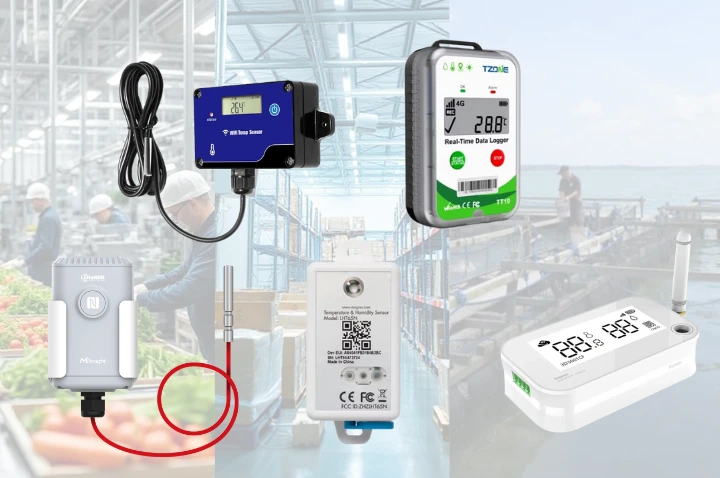
Implement automated cold chain monitoring systems with wireless temperature sensors or data loggers. These devices provide continuous, real-time temperature data, minimizing risk and ensuring no fluctuations go unnoticed.

2. Ignoring Data Visibility and Alerts

The Mistake:

Collecting temperature data without real-time alerts means temperature breaches may only be discovered after damage occurs.

How to Avoid:

Use a monitoring platform that delivers instant alerts via SMS or email whenever temperature thresholds are exceeded. This allows quick corrective actions to protect your product and maintain cold chain integrity.

3. Skipping Calibration and Maintenance of Sensors

The Mistake:

Failing to regularly calibrate and maintain temperature sensors can result in inaccurate readings and unreliable data.

How to Avoid:

Establish a strict calibration schedule and routine maintenance protocol for all your monitoring equipment. Regularly validate sensor accuracy to ensure your cold chain monitoring system remains trustworthy.

4. Not Accounting for Environmental Factors

The Mistake:

Failing to regularly calibrate and maintain temperature sensors can result in inaccurate readings and unreliable data.

How to Avoid:

Establish a strict calibration schedule and routine maintenance protocol for all your monitoring equipment. Regularly validate sensor accuracy to ensure your cold chain monitoring system remains trustworthy.

5. Failing to Integrate Data for Analysis and Compliance

The Mistake:

Storing temperature data without proper integration into compliance and quality management systems limits its usefulness for audits and decision-making.

How to Avoid:

Choose a cold chain monitoring solution with cloud-based data storage and automated report generation. This ensures easy access to audit-ready records and enables data-driven optimization of your cold chain operations.

Need Cold Chain Monitoring?

We got you covered.

How Temperature Data Loggers Support Regulatory Compliance in the Cold Chain

How Temperature Data Loggers Support Regulatory Compliance in the Cold Chain

In the cold chain, maintaining proper temperature is not just about quality, it is about safety, trust, and legal compliance. Whether you’re transporting vaccines, fresh produce, or specialty chemicals, a temperature data logger plays a crucial role in proving that conditions remained within required limits at every step.

In this article, we will explore how temperature data loggers support regulatory compliance, reduce risk, and help cold chain operators meet strict industry standards.

What Is a Temperature Data Logger?

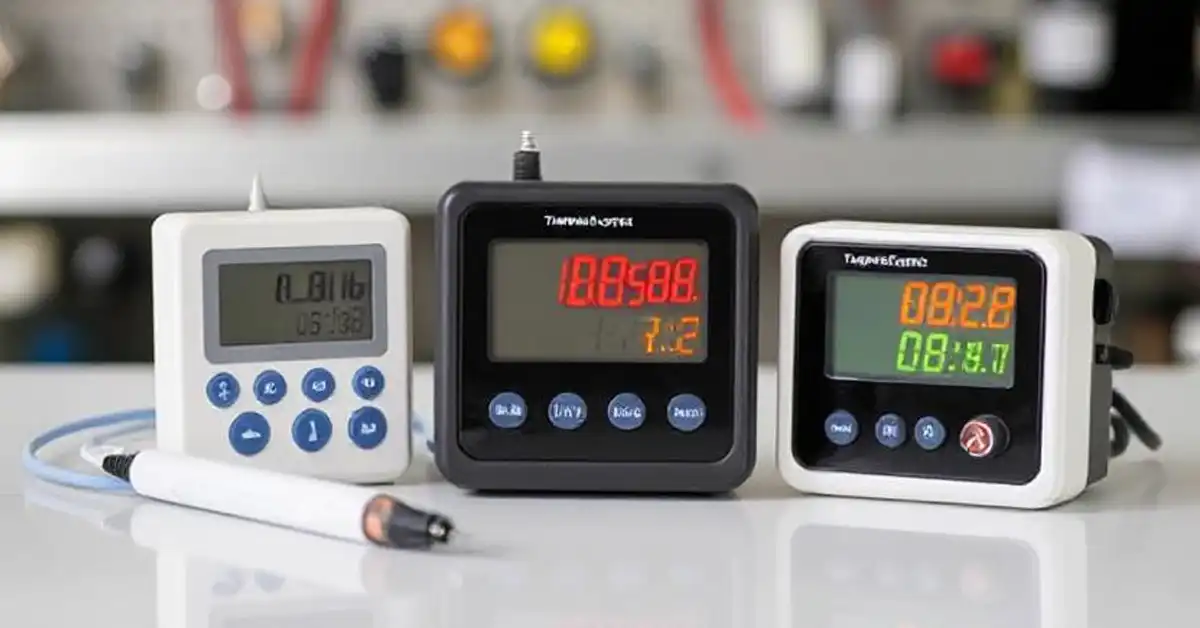
A temperature data logger is a small electronic device used to record temperature readings over time. It can be placed inside packaging, shipping containers, or cold storage units to monitor temperature conditions throughout storage or transport.

Modern data loggers often include:

  • Built-in sensors for temperature and humidity
  • USB or wireless connectivity
  • Real-time alerts and cloud syncing
  • Tamper-proof data storage

Why Regulatory Compliance Matters in the Cold Chain

Cold chain industries including pharmaceuticals, food, and biotech are governed by strict regulations that require continuous monitoring and record-keeping.

Key standards include:

  • FDA 21 CFR Part 11 – electronic records and signatures (pharma)
  • Good Distribution Practices (GDP) – transport and storage controls
  • HACCP & FSMA – food safety compliance
  • WHO Guidelines – vaccine and biological storage

Failure to comply can result in:

  • Product recalls
  • Fines and sanctions
  • Loss of certifications or licenses
  • Damage to reputation and consumer trust

How Temperature Data Loggers Ensure Compliance

1. Continuous Monitoring and Record-Keeping

Regulators often require proof that goods remained within a defined temperature range. Temperature data loggers automatically log data throughout the journey, providing time-stamped records that are verifiable and tamper-resistant.

2. Audit-Ready Reports

Temperature data loggers generate detailed reports that can be shared with auditors or quality control teams. These reports are often compatible with regulatory submission formats and meet standards for traceability and integrity.

3. Real-Time Alerts for Immediate Action

Some advanced data loggers offer real-time alerts via cloud dashboards. If a temperature breach occurs, the responsible team is notified instantly allowing immediate corrective action to protect the product and maintain compliance.

4. Secure, Validated Data

Regulations like FDA 21 CFR Part 11 require data to be secure, accurate, and unalterable. Quality temperature data logger systems often feature encrypted data storage, validation tools, and digital signatures to meet these requirements.

5. Traceability from End to End

Using data loggers throughout the supply chain at warehouses, in transit, and during delivery ensures full traceability. Regulators expect visibility at every handoff point, and a data logger provides a clear trail of temperature conditions across the journey.

Looking for a Reliable Temperature Data Logger?

All in one solution at IOT-ezy

Shop Now

Top 5 Industries That Rely on Temperature Monitoring Systems

Top 5 Industries That Rely on Temperature Monitoring Systems

In industries where environmental conditions directly impact safety, quality, and compliance, a temperature monitoring system isn’t just a convenience it is a business-critical asset. Whether for protecting vaccines from spoilage or ensuring food is safe to eat, real-time temperature monitoring helps companies avoid losses, maintain quality standards, and stay compliant.

Here are five industries where reliable temperature monitoring systems are absolutely essential and why.

1. Pharmaceutical & Life Sciences

In the pharmaceutical industry, maintaining a specific temperature range is vital to preserving the integrity and efficacy of drugs, vaccines, biologics, and lab samples. A fluctuation of just a few degrees can render medications useless.

Why It Matters:

  • Compliance with Good Distribution Practice (GDP) and WHO guidelines
  • Safe storage of temperature-sensitive vaccines (e.g. 2–8°C)
  • Reliable data for audits and regulatory inspections

How Temperature Monitoring Systems Help:

  • Remote access during transportation or storage
  • 24/7 alerts for cold chain failures
  • Tamper-proof logs for regulatory reporting

2. Food & Beverage

From processing plants to supermarkets, temperature directly impacts food safety. A reliable temperature monitoring system ensures that food is stored and transported at safe temperatures to prevent spoilage and bacteria growth.

Why It Matters:

  • Required by HACCP, FDA, and other food safety regulations
  • Spoilage can lead to recalls, waste, or consumer health risks
  • Cold rooms, freezers, and transport vehicles all need oversight

How Temperature Monitoring Systems Help:

  • Automated logs for compliance
  • Alerts for fridge or freezer failure
  • Real-time dashboards for warehouse and logistics teams

3. Cold Chain Logistics

Cold chain logistics companies transport perishable goods such as frozen food, pharmaceuticals, and chemicals across long distances. Without a robust temperature monitoring system, one equipment failure could lead to massive product loss.

Why It Matters:

  • Visibility from origin to destination
  • Maintaining consistent temperature during loading, transit, and delivery
  • Increasing demand for last-mile cold chain visibility

How Temperature Monitoring Systems Help:

  • Secure cloud-based data for all stakeholdersme.
  • GPS and real-time temperature tracking
  • Alerts for deviations in transit

4. Healthcare & Hospitals

In medical facilities, temperature control is critical for storing medications, blood products, vaccines, and lab samples. Even a short power outage or equipment failure can compromise patient safety.

Why It Matters:

  • Protects lifesaving drugs and blood supplies
  • Meets hospital accreditation and licensing standards
  • Reduces risk of medication spoilage

How Temperature Monitoring Systems Help:

  • Integration with hospital management systemsly system without compromising on the core goal: precise temperature monitoring.
  • Backup alerts during power outages
  • Continuous tracking of multiple storage units

5. Biotechnology & Research Labs

Biotech companies and research labs work with sensitive biological materials that must be stored in ultra-low temperature freezers or incubators. Data integrity and environmental stability are critical for reproducible results.

Why It Matters:

  • Preserves cell cultures, DNA samples, reagents, and compounds
  • Supports Good Laboratory Practices (GLP) and ISO compliance
  • Avoids months or years of research being lost

How Temperature Monitoring Systems Help:

  • Preventive maintenance through historical trend data
  • Ultra-low temperature monitoring (e.g. -80°C freezers)
  • Automated reporting for grant or audit documentation

Need a Smart Temperature Monitoring System for Your Business?

All in one solution at IOT-ezy

Shop Now

Refrigeration Monitoring 101: Keep Cool, Stay Compliant

Refrigeration Monitoring 101: Keep Cool, Stay Compliant

In industries where temperature control is critical, even the slightest deviation can lead to spoilage, product loss, and costly non-compliance. Whether you are storing vaccines, seafood, dairy, or frozen goods, having a reliable refrigeration monitoring system is no longer a luxury it is a necessity.

Let’s break down the basics of refrigeration monitoring, why it matters, and how modern IoT technology is transforming how we manage cold storage.

The Challenge: Monitoring Without Wasting Power

Traditional monitoring systems often rely on frequent battery replacements or high-power connectivity methods like Wi-Fi or cellular, which can be energy-intensive and costly. This creates a problem, especially in:

  • Remote or hard-to-access storage units
  • Cold chain transport with limited power sources
  • Agricultural environments with harsh conditions

These systems need to work 24/7 yet must do so using as little power as possible, without compromising on performance.

Low-Power Design: The Key to Longevity

To meet sustainability goals and reduce operational costs, modern temperature monitoring systems are being designed with low-power architecture from the ground up.

Key Features of a Sustainable Temperature Monitoring System:

  • Sleep modes and duty cycling: Sensors “wake up” only when needed, reducing unnecessary power draw.
  • LoRa or NB-IoT connectivity: These wireless protocols are optimized for long-range communication and ultra-low energy use ideal for sensor networks in large facilities or rural areas.
  • Energy-efficient sensors: Modern temperature sensors consume minimal power, especially when paired with smart sampling algorithms.
  • Battery life of 5–10 years: Some devices now operate for years without needing a battery swap, reducing both waste and maintenance.

Case Example: Cold Chain with Long-Life Monitoring

Consider a cold storage warehouse using wireless temperature monitoring systems with LoRa connectivity. These sensors:

  • Transmit data only when necessary or when thresholds are breached
  • Operate on a single battery for 5–7 years
  • Provide real-time alerts to prevent spoilage
  • Require little to no maintenance, reducing carbon footprint from technician site visits

By combining smart data logging with low-power design, the warehouse ensures sustainability and reliability, while minimizing waste and downtime.

Smart Software for Smarter Sustainability

Sustainable design is not just about hardware it extends to software too. Intelligent platforms can:

  • Optimize transmission frequency to balance responsiveness and energy use
  • Detect anomalies early to reduce unnecessary data uploads
  • Aggregate and compress data to reduce cloud storage energy consumption

All of this results in a more efficient and environmentally friendly system without compromising on the core goal: precise temperature monitoring.

Why Sustainability Matters in IoT

The Internet of Things is expected to power billions of devices over the next decade. Without sustainable design, that could mean:

  • Millions of batteries disposed of each year
  • Increased e-waste from short-life hardware
  • High energy demands for connectivity and cloud storage

Designing temperature monitoring systems with longevity and power efficiency in mind helps organizations reduce environmental impact, lower costs, and meet ESG (Environmental, Social, Governance) goals.

Key Takeaways

  • Low-power design extends sensor life and reduces waste
  • Wireless protocols like LoRa and NB-IoT support energy-efficient data transmission
  • Smart software can manage data intelligently to further conserve resources
  • Sustainable IoT systems are better for the environment and your bottom line

Why Wireless Temperature Sensors Are a Game-Changer

What makes this sensor so powerful is not just its ability to read temperatures it is the real-time connectivity, automated alerts, and cloud integration that make it indispensable in cold chain environments.

Key Benefits:

✅ Long battery life and minimal maintenance

✅ No manual data logging or walk-in checks

✅ Instant alerts prevent spoilage and loss

✅ Historical data supports audits and compliance

✅ Scalable across warehouses, vehicles, and remote locations

Looking for a Long-Life Temperature Monitoring System?

All in one solution at IOT-ezy

Shop Now

Sustainable IoT: Designing Monitoring Systems for Low Power and Long Life

Sustainable IoT: Designing Monitoring Systems for Low Power and Long Life

In a world increasingly driven by connected devices, the demand for smart monitoring solutions is soaring. But as adoption grows, so does the need for sustainability. In industries that depend on continuous oversight like cold chain logistics, agriculture, and healthcare balancing real-time insights with energy efficiency is no longer optional. It is essential.

One standout example of this balance? The temperature monitoring system a key component in preserving perishable goods and protecting critical infrastructure, now being redesigned for a more energy-conscious future.

The Challenge: Monitoring Without Wasting Power

Traditional monitoring systems often rely on frequent battery replacements or high-power connectivity methods like Wi-Fi or cellular, which can be energy-intensive and costly. This creates a problem, especially in:

  • Remote or hard-to-access storage units
  • Cold chain transport with limited power sources
  • Agricultural environments with harsh conditions

These systems need to work 24/7 yet must do so using as little power as possible, without compromising on performance.

Low-Power Design: The Key to Longevity

To meet sustainability goals and reduce operational costs, modern temperature monitoring systems are being designed with low-power architecture from the ground up.

Key Features of a Sustainable Temperature Monitoring System:

  • Sleep modes and duty cycling: Sensors “wake up” only when needed, reducing unnecessary power draw.
  • LoRa or NB-IoT connectivity: These wireless protocols are optimized for long-range communication and ultra-low energy use ideal for sensor networks in large facilities or rural areas.
  • Energy-efficient sensors: Modern temperature sensors consume minimal power, especially when paired with smart sampling algorithms.
  • Battery life of 5–10 years: Some devices now operate for years without needing a battery swap, reducing both waste and maintenance.

Case Example: Cold Chain with Long-Life Monitoring

Consider a cold storage warehouse using wireless temperature monitoring systems with LoRa connectivity. These sensors:

  • Transmit data only when necessary or when thresholds are breached
  • Operate on a single battery for 5–7 years
  • Provide real-time alerts to prevent spoilage
  • Require little to no maintenance, reducing carbon footprint from technician site visits

By combining smart data logging with low-power design, the warehouse ensures sustainability and reliability, while minimizing waste and downtime.

Smart Software for Smarter Sustainability

Sustainable design is not just about hardware it extends to software too. Intelligent platforms can:

  • Optimize transmission frequency to balance responsiveness and energy use
  • Detect anomalies early to reduce unnecessary data uploads
  • Aggregate and compress data to reduce cloud storage energy consumption

All of this results in a more efficient and environmentally friendly system without compromising on the core goal: precise temperature monitoring.

Why Sustainability Matters in IoT

The Internet of Things is expected to power billions of devices over the next decade. Without sustainable design, that could mean:

  • Millions of batteries disposed of each year
  • Increased e-waste from short-life hardware
  • High energy demands for connectivity and cloud storage

Designing temperature monitoring systems with longevity and power efficiency in mind helps organizations reduce environmental impact, lower costs, and meet ESG (Environmental, Social, Governance) goals.

Key Takeaways

  • Low-power design extends sensor life and reduces waste
  • Wireless protocols like LoRa and NB-IoT support energy-efficient data transmission
  • Smart software can manage data intelligently to further conserve resources
  • Sustainable IoT systems are better for the environment and your bottom line

Why Wireless Temperature Sensors Are a Game-Changer

What makes this sensor so powerful is not just its ability to read temperatures it is the real-time connectivity, automated alerts, and cloud integration that make it indispensable in cold chain environments.

Key Benefits:

✅ Long battery life and minimal maintenance

✅ No manual data logging or walk-in checks

✅ Instant alerts prevent spoilage and loss

✅ Historical data supports audits and compliance

✅ Scalable across warehouses, vehicles, and remote locations

Looking for a Long-Life Temperature Monitoring System?

All in one solution at IOT-ezy

Shop Now

A Day in the Life of an IoT Sensor: From Data Point to Dashboard

A Day in the Life of an IoT Sensor: From Data Point to Dashboard

6:00 AM – First Reading of the Day

Our story begins inside a cold room at a seafood distribution center. The wireless temperature sensor, mounted on a shelf next to crates of freshly harvested fish, takes its first reading of the day: 2.8°C right within the optimal range.

Unlike traditional data loggers that store information for manual retrieval, this wireless sensor instantly transmits its reading via LoRaWAN to a nearby gateway. From there, the data travels to a secure cloud platform, where it becomes accessible in real time.

9:30 AM – Subtle Shift Detected

Outside temperatures are rising. The HVAC system works harder to maintain conditions. The sensor now reads 4.2°C. It continues to log every shift, but it doesn’t sound the alarm yet. It’s programmed with customizable thresholds. The critical limit is 6.0°C.

Still, this trend is visible to the operations manager on their dashboard. Real-time graphs begin to show a gradual incline. Thanks to continuous monitoring, there is no need for manual checks the sensor is already on top of it.

12:15 PM – Alert Triggered

The reading hits 6.1°C. The threshold has been breached.

Instantly, the wireless temperature sensor sends an automated alert to key personnel via SMS, mobile push notification, and email. The alert is not just a number it includes contextual information like time of breach, location, and trend graphs.

The maintenance team is dispatched. A faulty cooling fan is discovered and replaced within 30 minutes well before the seafood’s quality is compromised.

Crisis avoided. Inventory saved.

3:00 PM – Data Aggregation and Learning

Every reading, every alert, and every resolution gets stored in the cloud. The system begins to identify patterns such as recurring HVAC strain during peak hours. With this data, the operations team can schedule preventative maintenance and fine-tune energy usage, improving both reliability and efficiency.

6:00 PM – Dashboard Review and Reporting

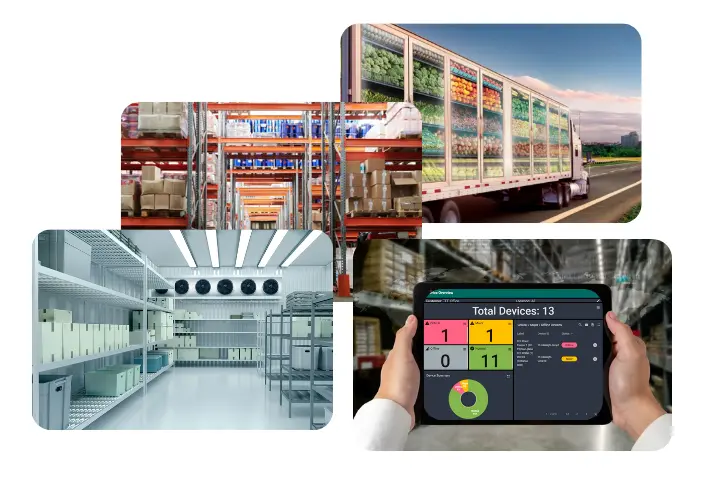
As the workday winds down, the facility manager reviews the dashboard on a tablet. They check:

  • Daily temperature trends
  • Any triggered alerts
  • Compliance logs for audits
  • System uptime

The clean interface, powered by the sensor’s constant feed of real-time data, provides both peace of mind and actionable insight. There is no guesswork, no paperwork, no delays just visibility.

Midnight – Another Day Begins

The cycle continues.

With 24/7 operation, the wireless temperature sensor does not sleep. It will keep monitoring, logging, and safeguarding every product in the cold chain quietly, tirelessly, and accurately.

Why Wireless Temperature Sensors Are a Game-Changer

What makes this sensor so powerful is not just its ability to read temperatures it is the real-time connectivity, automated alerts, and cloud integration that make it indispensable in cold chain environments.

Key Benefits:

✅ Long battery life and minimal maintenance

✅ No manual data logging or walk-in checks

✅ Instant alerts prevent spoilage and loss

✅ Historical data supports audits and compliance

✅ Scalable across warehouses, vehicles, and remote locations

Buy Wireless Sensor

Shop Now

How IoT Monitoring Is Revolutionizing Cold Chain Logistics

How IoT Monitoring Is Revolutionizing Cold Chain Logistics

In today’s fast-moving supply chains, especially those handling perishable goods, cold chain monitoring has become more than just a regulatory requirement, it is a competitive advantage. Thanks to IoT (Internet of Things) technology, businesses now have the power to track and protect temperature-sensitive products with greater accuracy, automation, and real-time insights.

What Is Cold Chain Monitoring?

Cold chain monitoring refers to the process of tracking temperature and environmental conditions throughout the storage and transportation of perishable goods such as vaccines, seafood, frozen food, or chemicals. The goal is to ensure products remain within specific temperature ranges to avoid spoilage, loss, or non-compliance.

Traditionally, cold chain monitoring relied on manual checks or basic data loggers. These methods often left blind spots and delays in detecting problems could result in damaged inventory.

Enter IoT: A Smarter Way to Monitor the Cold Chain

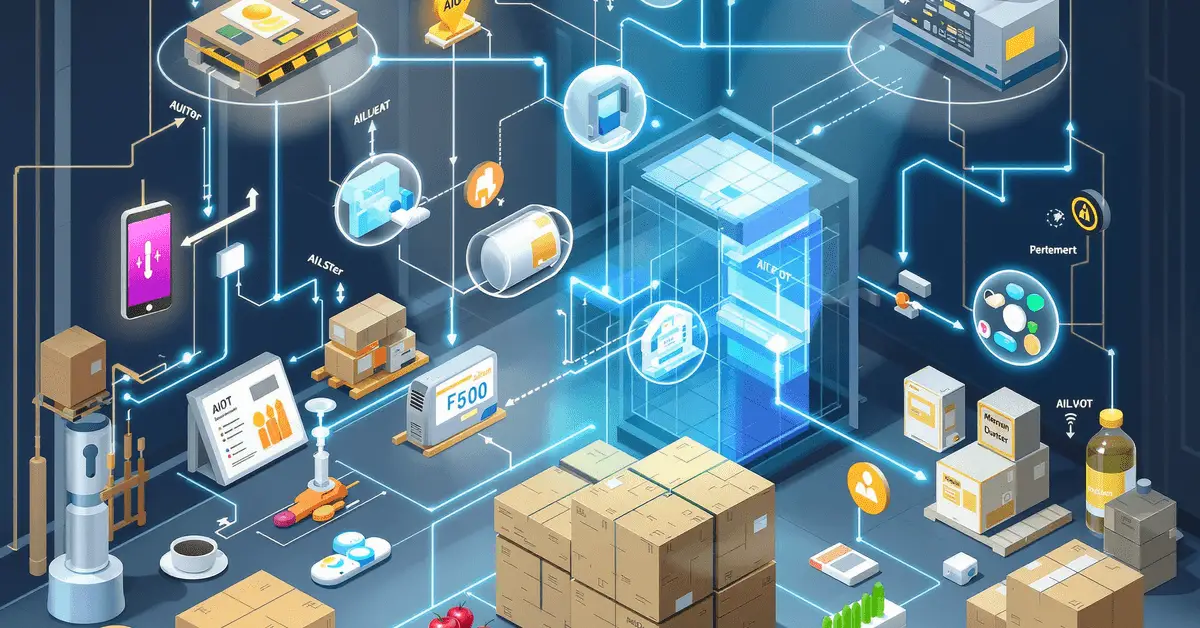
IoT monitoring brings automation, real-time visibility, and intelligent alerts into cold chain operations. Here’s how:

1. Real-Time Temperature and Humidity Tracking

With IoT sensors installed in cold rooms, reefers, or transport boxes, businesses can continuously monitor conditions 24/7. Unlike manual systems, these sensors send live data to a central platform, allowing teams to see exactly what’s happening — as it happens.

2. Instant Alerts for Faster Response

If a temperature deviation occurs — for example, a freezer door left ajar or a reefer unit malfunction — the system triggers real-time alerts via SMS, email, or app notifications. This gives your team a chance to act immediately, reducing losses and protecting product quality.

3. Cloud-Based Dashboards and Reports

IoT monitoring platforms store data in the cloud, offering historical insights, trend analysis, and compliance-ready reports. This helps businesses not only stay audit-ready but also identify recurring problems and improve operations over time.

Cold Chain Monitoring in Transit: From Warehouse to Delivery

One of the most impactful uses of IoT is in mobile cold chain monitoring — tracking goods as they move through the supply chain.

In case of route delays or unexpected temperature spikes, fleet managers can be alerted immediately and take corrective action.

GPS integration allows businesses to track the location and condition of products in transit.

Battery-powered IoT devices ensure continuous monitoring, even when cargo is on the road or in remote locations.

Real-World Impact: Pharma and Food Safety

In the pharmaceutical industry, where vaccines and biologics must stay within narrow temperature ranges, IoT cold chain monitoring ensures regulatory compliance (e.g. WHO, FDA, GDP) and patient safety.

In food logistics, real-time monitoring helps companies meet HACCP standards, reduce spoilage, and protect brand reputation — especially during hot weather or long-distance shipping.

Key Benefits of IoT Cold Chain Monitoring

  • ✔️ Reduced product spoilage and waste
  • ✔️ Faster response to temperature excursions
  • ✔️ Improved compliance with regulations
  • ✔️ Better visibility across multiple locations and vehicles
  • ✔️ Data-driven decision-making and optimization

Shop Now at IOT-ezy

Protect Your Assets and Start Monitoring

Shop Now

How Data Centers Use IoT and Temperature Data Loggers to Prevent Overheating and Power Loss

How Data Centers Use IoT and Temperature Data Loggers to Prevent Overheating and Power Loss

In a world where digital infrastructure powers nearly every business, data centers play a vital role in maintaining uptime, security, and performance. But these mission-critical facilities face two constant threats: overheating and power loss.

Thanks to the rise of IoT technology and temperature data loggers, data centers now have the tools to monitor, detect, and prevent failures before they happen.

The Problem: Overheating in Data Centers

Servers and networking equipment generate massive amounts of heat. If left unmanaged, rising temperatures can cause:

  • Hardware damage
  • System crashes
  • Reduced lifespan of equipment
  • Risk of fire

This is where temperature data loggers become essential. These devices continuously record temperature levels and help ensure that thermal conditions remain within safe operating ranges.

Power Loss: A Silent Killer

Power disruptions even for a few seconds can lead to:

  • Data corruption
  • Downtime for critical services
  • Expensive recovery procedures

While backup systems like UPS units and generators help, they also need to be monitored to ensure they’re functioning when needed. Integrating IoT sensors and data loggers into power infrastructure helps preempt failures before they impact operations.

How IoT and Temperature Data Loggers Work Together

1. Real-Time Temperature Monitoring

Strategically placed IoT temperature data loggers monitor:

  • Server rack temperatures
  • Airflow patterns (hot/cold aisles)
  • Ambient room temperature

If temperature thresholds are exceeded, alerts are sent instantly via SMS, email, or mobile apps.

2. Data Logging for Compliance and Auditing

Regulatory bodies often require documented proof of temperature management in IT environments. A temperature data logger provides:

  • Automatic logs of all readings
  • Exportable reports for audits
  • Historical analysis for spotting trends

3. UPS and Power Monitoring

IoT systems monitor:

  • UPS battery temperature and voltage
  • Generator readiness
  • Power usage trends and anomalies

Combined with temperature data, this gives a full picture of system health.

4. Predictive Maintenance

When temperature and power data are analyzed over time, patterns emerge:

  • Is a server rack consistently overheating?
  • Is a UPS battery degrading faster than expected?

Predictive alerts based on these trends help schedule maintenance before failure occurs.

Final Thoughts

A temperature data logger is more than a sensor it is a safety net for your infrastructure. When integrated with IoT, it forms the core of a smart environmental monitoring system that helps prevent costly damage, downtime, and reputational risk.

In the high-stakes world of data centers, real-time temperature monitoring is essential.

Find Your Solution

Prevent Overheating and Protect Important Asset

Shop Now

Contributing to the IoT Conversation: We Speak IoT

Contributing to the IoT Conversation: We Speak IoT

Water Quality Monitoring: Feeding a Nation, One Sensor at a Time

We are proud to share that we contributed a guest post titled “Water Quality Monitoring: Feeding a Nation, One Sensor at a Time” The article explores how IoT Monitoring system is used to help a fish farm in Singapore monitor critical parameter such as dissolved oxygen to lower fish mortality rate and help Singapore achieve the “30 by 30 Goal”

We Speak IoT

We Speak IoT offers a wide range of content, from in-depth articles on connectivity standards and device interoperability to real-world use cases, market trends, and critical takes on the sustainability of tech. It serves as a valuable resource for professionals, tech enthusiasts, and businesses looking to stay informed and inspired by IoT innovations.

Shop Now at IOT-ezy

Protect Your Assets and Start Monitoring

Shop Now
Categories IoT

Real-Life Monitoring Fails and What They Teach Us About IoT

Real-life Monitoring Fails and What They Us About IoT

In the world of cold chain logistics, pharmaceuticals, and food safety, refrigeration monitoring is no longer a “nice-to-have” it is a necessity. And yet, time and time again, we see real-life examples of monitoring systems failing when they are needed most. These failures are not just expensive, they can jeopardize public safety, waste high-value inventory, and damage reputations.

So what goes wrong? And how can IoT-based refrigeration monitoring solve the problem? Learn more on refrigeration monitoring here.

Let’s dive into some real-world failures and the lessons they teach us.

Failure #1: Manual Logs Miss Critical Temperature Spikes

The Situation:
A pharmaceutical distributor was using manual temperature checks twice a day in their warehouse. Everything looked fine on paper, until a shipment arrived unusable due to prolonged exposure to heat.

What Went Wrong:
The cooling system failed for six hours overnight, long enough to damage the goods, but not long enough to be caught before the next manual check.

Lesson Learned:
Manual monitoring is not continuous. If you are not tracking in real time, you are missing gaps, and these gaps are where the losses happen.

How IoT Helps:
IoT refrigeration monitoring systems use real-time sensors that continuously track temperature and humidity. Alerts are triggered the moment values go out of range, even at 3 AM or outside working hours.

Failure #2: No In-Transit Monitoring for Cold Chain Shipment

The Situation:
A company shipped frozen food using standard reefer trucks. The onboard refrigeration system malfunctioned mid-journey, and the delivery team only realized when the cargo arrived partially thawed. The transport company had no visibility into what went wrong and could not prove when the failure occurred.

What Went Wrong:
There was no live in-transit monitoring or geolocation alerts.

Lesson Learned:
The cold chain does not stop at the warehouse. Without tracking during transit, you risk undetected spoilage and costly disputes.

How IoT Monitoring Helps:
With mobile-friendly IoT trackers, you can monitor temperature and location in real time, ensuring visibility from warehouse to final delivery.

Failure #3: Lack of Visibility in Multi-Temperature Facilities

The Situation:
A food storage facility had cold rooms with different temperature zones (frozen, chilled, ambient). Using a single sensor type and one monitoring system made it impossible to track all areas effectively. Some temperature-sensitive products were stored incorrectly, causing spoilage.

What Went Wrong:
Limited sensor diversity and lack of integrated monitoring created gaps.

Lesson Learned:
Cold chain monitoring must adapt to varied environments and product needs.

How IoT Monitoring Helps:
Flexible IoT platforms support multiple sensor types and zones, providing unified visibility across diverse temperature ranges.

From Failures to Smart Refrigeration Monitoring

These examples show that traditional methods, whether manual or outdated digital tools are no longer enough.

IoT-based refrigeration monitoring is not just about technology. It is about peace of mind, operational efficiency, and protecting high-value products in real time.

Key Features to Look for in a Modern Refrigeration Monitoring System:

  • 24/7 tracking of temperature and humidity
  • Instant alerts via multiple channels (Telegram, SMS, email)
  • Data logging and compliance reporting
  • Cloud access for remote monitoring

Shop Now at IOT-ezy

Protect Your Assets and Start Monitoring

Shop Now