Sustainable Cold Chain: Reducing Carbon Footprint with Tech & Cloud
The event, titled Sustainable Cold Chain: Reducing Carbon Footprint with Tech & Cloud, brought together insights on decarbonization, cloud technology, IoT monitoring, and the transformative role of CO₂ refrigeration in modern cold-room applications.
From actionable sustainability frameworks to hands-on discussions and networking, the seminar provided participants with the knowledge and tools needed to kickstart or advance their carbon-reduction journey.
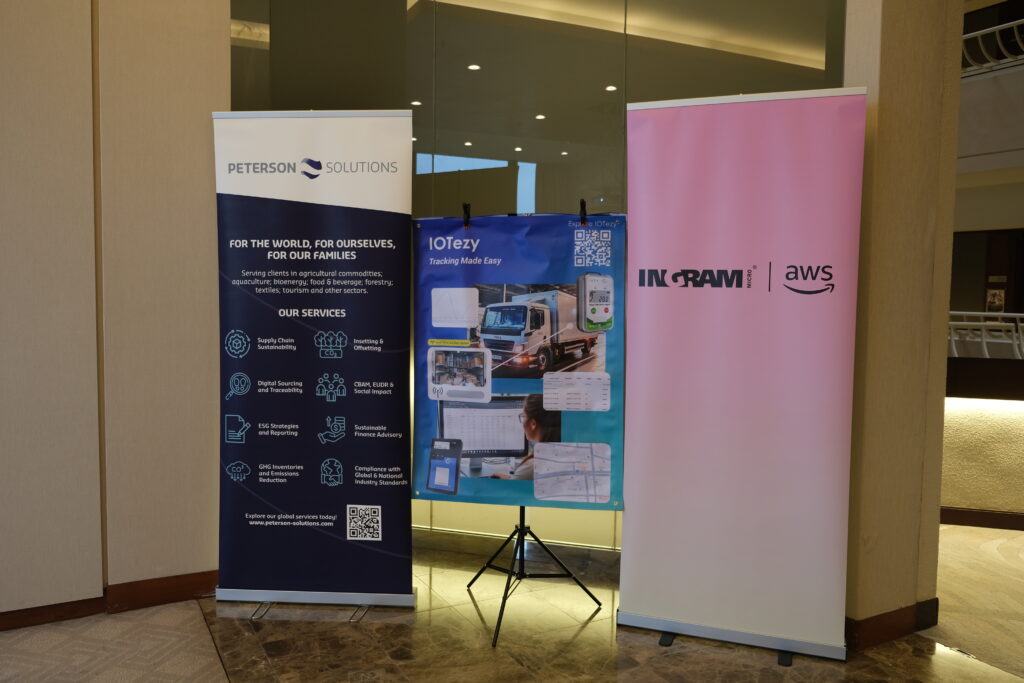
Organised by Metropolitan Wireless International (IOT-ezy), Peterson Solutions Singapore, NivisTek and supported by AWS.
Sustainability Roadmap to Decarbonization
The session began with a deep dive into how organizations can translate sustainability commitments into achievable decarbonization strategies. Participants learned practical steps for:
- Measuring and understanding emissions
- Identifying high-impact reduction areas
- Establishing baselines
- Implementing effective carbon-management practices
The roadmap provided a clear structure for businesses aiming to meet regulatory expectations and build long-term sustainable operations.
Advantages of CO₂ in Cold-Room Applications
A highlight of the seminar was the introduction to CO₂ as a natural refrigerant, led by industry experts including NivisTek, specialists in CO₂ cold-room systems. Attendees gained valuable insights into:
- Why CO₂ is emerging as a preferred eco-friendly refrigerant
- Its commercial benefits, such as efficiency and long-term cost savings
- Environmental advantages, including dramatically lower global warming potential (GWP)
CO₂-based systems are rapidly becoming the standard for future-proof, sustainable refrigeration.
Role of Cloud Technology in Carbon Emission Reduction
Cloud technology is accelerating the transition to a greener cold chain. Experts discussed how the AWS cloud ecosystem enables:
- Remote monitoring of temperature, energy, and system performance
- Real-time alerts for anomalies and maintenance needs
- Advanced analytics to identify inefficiencies
- Data-driven decision-making for continuous improvement
The session highlighted how cloud intelligence empowers organizations to reduce emissions while improving operational reliability.
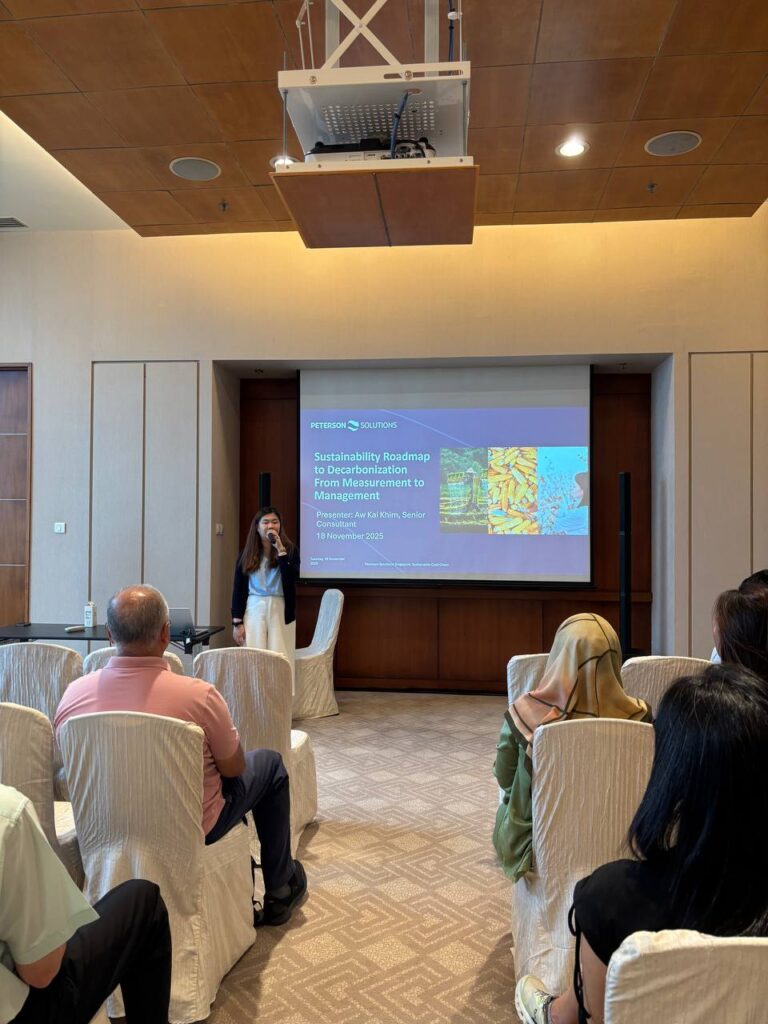
Peterson Solutions Singapore
Delivered an insightful talk on how organizations can begin their carbon-footprint reduction journey from awareness and planning to practical implementation.
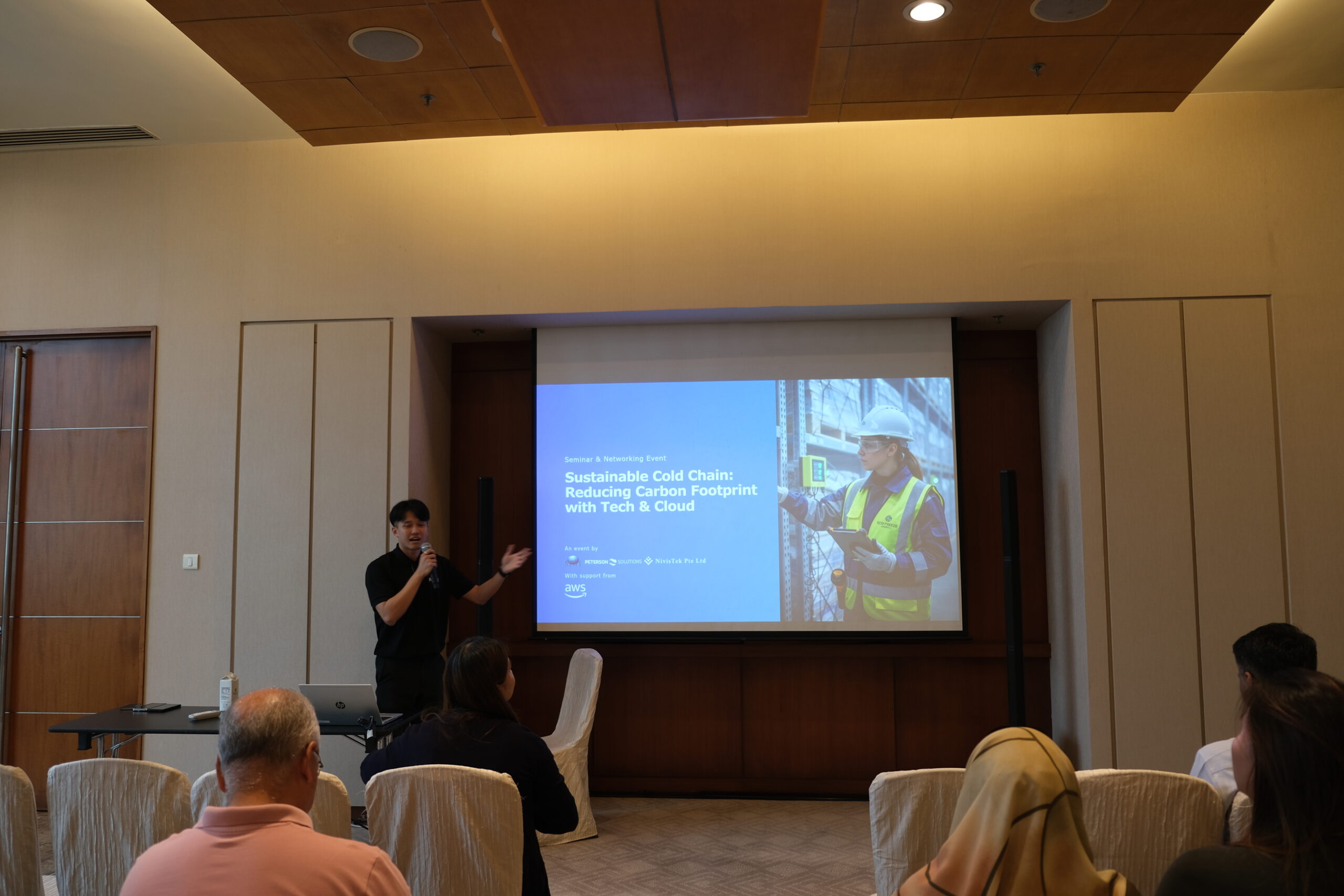
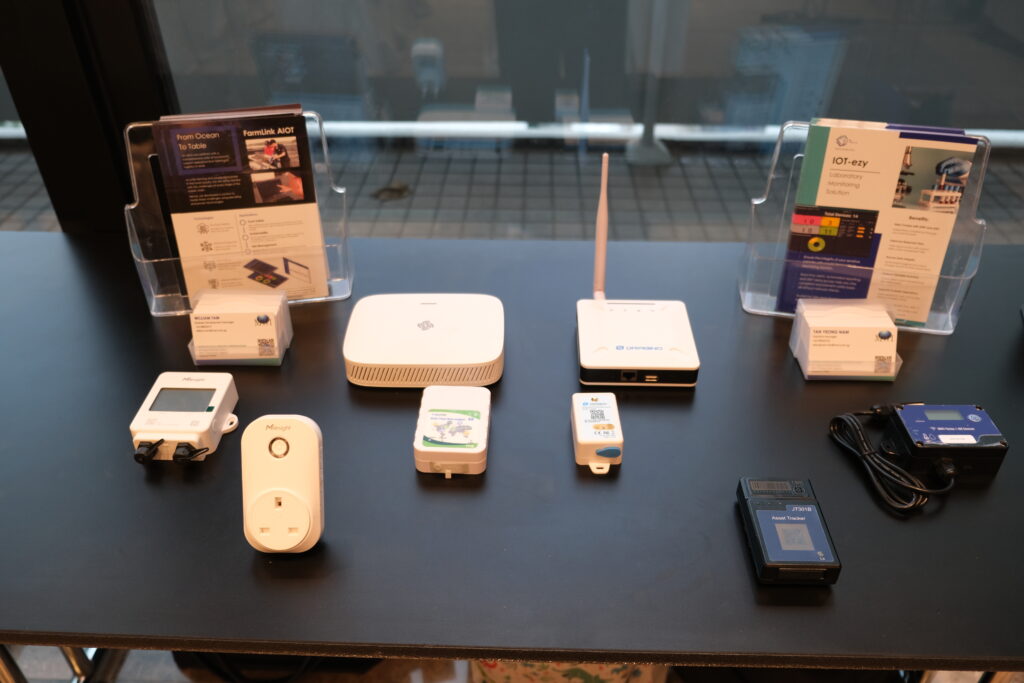
MWI
Shared their expertise on IoT monitoring systems and establishing accurate baselines, emphasizing the critical role of real-time data in identifying inefficiencies and improving system performance.
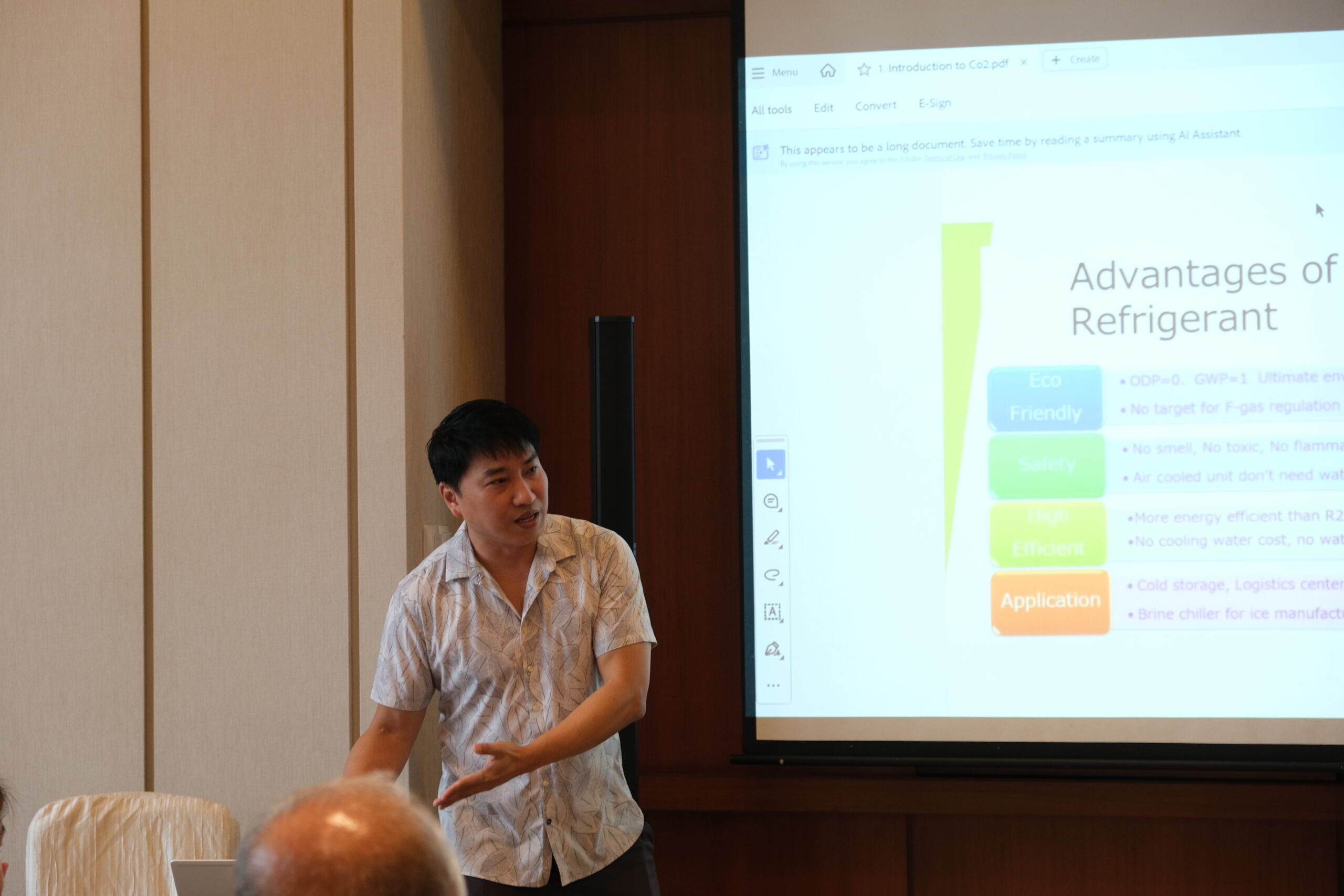
NivisTek
As cold-room specialists, they showcased CO₂-based systems and provided expert perspectives on why natural refrigerants are essential for a sustainable cold chain future.
Looking Ahead
As global supply chains continue to evolve, the demand for sustainable, energy-efficient, and intelligent cold-chain solutions grows stronger. This seminar marks an important step toward empowering organizations with the knowledge and tools to make meaningful progress.
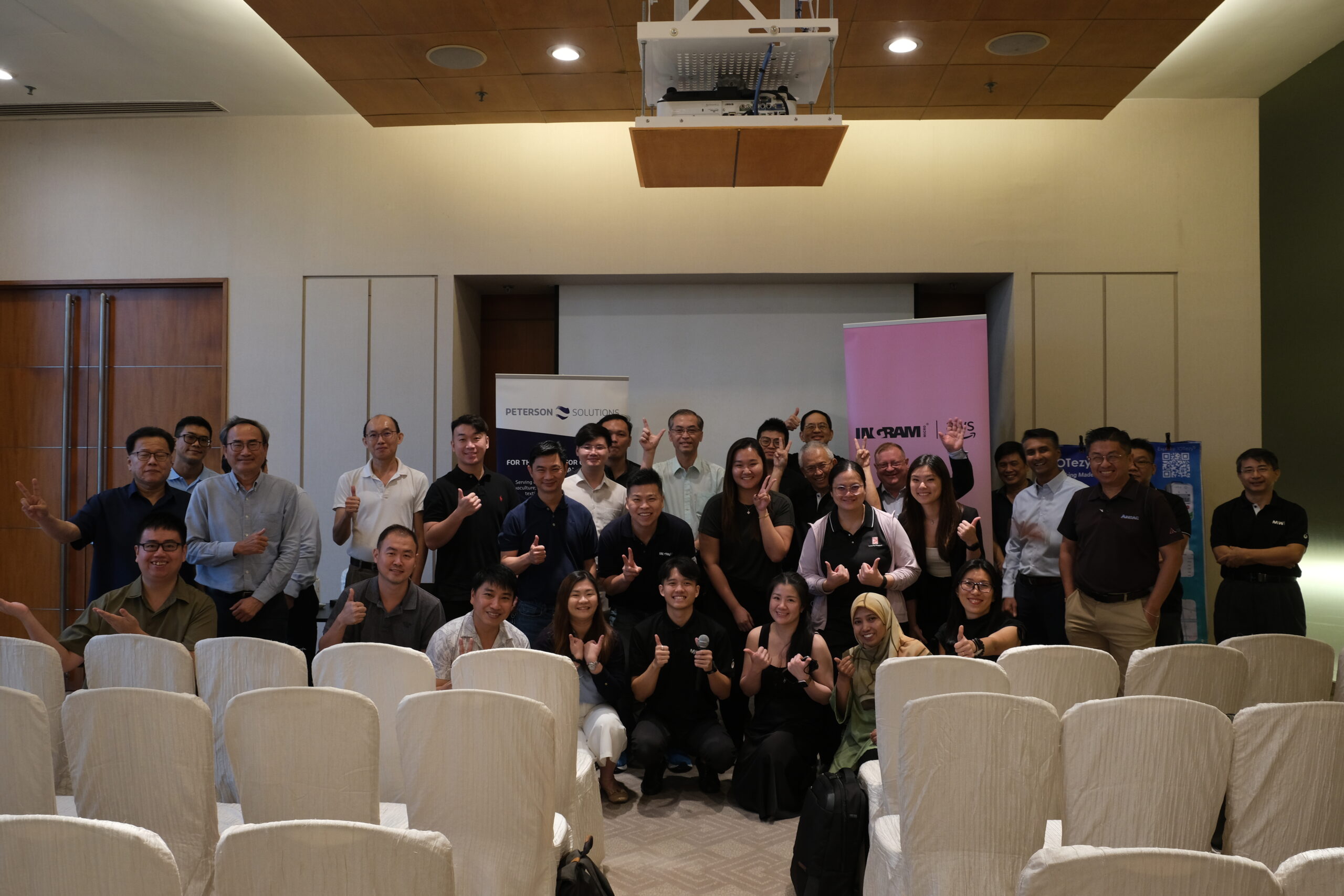
We thank all speakers, partners, and participants for making this event a success. Together, we move closer toward a decarbonized, tech-enabled cold chain that supports both business and the planet.