How Technology Is Transforming Aquaculture and Agriculture in Singapore
Singapore’s food resilience strategy has increasingly emphasised the role of technology in modern farming. As global supply chains face disruptions from climate change, geopolitical tensions, and disease outbreaks, countries like Singapore are investing heavily in local food production capabilities.
Recently, Singapore announced plans to inject S$70 million over the next five years to boost local farm output through the Agri-Food Cluster Transformation (ACT) Fund, supporting farms that adopt advanced technologies to improve productivity and climate resilience.
For local farms operating in land-scarce environments, technology is no longer optional — it is essential.
At IOT-ezy, we believe the future of farming lies in data-driven agriculture and aquaculture systems that allow farmers to monitor conditions in real time and optimise production efficiently.
Why Technology Matters for Modern Farms
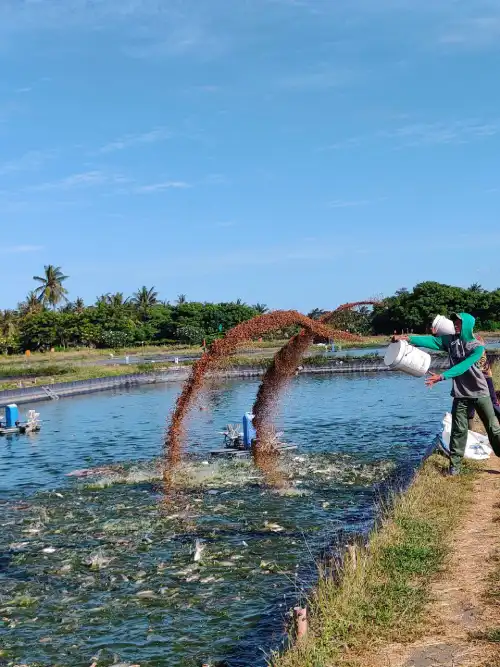
Traditional farming relied heavily on manual observation and experience. While expertise remains invaluable, modern farms increasingly depend on real-time monitoring systems and automation to manage complex environments.
For aquaculture farms and controlled agriculture systems, even small fluctuations in environmental conditions can affect yield and product quality.
Examples include:
- Water temperature fluctuations affecting fish growth
- Dissolved oxygen levels impacting fish survival
- Equipment failures leading to sudden stock loss
- Cold chain breakdowns during storage or transport
Technology allows farms to detect these risks early.
Smart Farming with IoT Monitoring
Internet-of-Things (IoT) technology enables farms to monitor environmental conditions 24 hours a day.
IoT sensors can measure parameters such as:
- Water temperature
- Dissolved oxygen
- pH levels
- Humidity
- Equipment performance
- Cold storage temperature
These sensors transmit data to a cloud monitoring platform, allowing farm operators to view real-time conditions remotely and receive alerts when thresholds are exceeded.
This allows farmers to:
- Respond to issues immediately
- Reduce manual inspection requirements
- Improve productivity
- Protect valuable livestock
For aquaculture operations where stock losses can reach tens or hundreds of thousands of dollars, early warning systems can make a critical difference.
Improving Sustainability and Food Security
Technology adoption is also closely tied to Singapore’s broader food security strategy.
With more than 90% of food imported, Singapore faces vulnerability to global supply disruptions.
Smart farming technologies help address this challenge by enabling farms to:
- Produce more with limited land
- Maintain stable environmental conditions
- Improve yield predictability
- Reduce waste and resource usage
Controlled farming environments supported by monitoring systems allow farms to operate more efficiently and sustainably, strengthening local food resilience.
Supporting the Future of Aquaculture
Singapore’s aquaculture sector continues to innovate, experimenting with new farming technologies, improved breeding programmes, and more efficient production systems.
IoT monitoring systems play an important role in this ecosystem by providing farms with the data needed to optimise operations and protect livestock.
As more farms adopt digital technologies, the industry moves closer toward smart aquaculture systems capable of producing high-quality seafood reliably and sustainably.
Technology and the Next Generation of Farming
The next generation of farming will increasingly combine agricultural expertise with digital technologies that enable better visibility and faster decision-making.
Modern farms are becoming highly controlled environments where factors such as water quality, temperature, oxygen levels, and storage conditions must be monitored carefully to maintain consistent production. As farms scale their operations, relying solely on manual checks becomes increasingly difficult.
Digital monitoring technologies are helping farms gain better insights into these environments. Sensors, automated data collection, and remote monitoring platforms allow operators to observe conditions continuously rather than relying on periodic inspections.
This shift towards data-driven farming enables producers to identify risks earlier, respond to environmental changes more quickly, and maintain stable conditions for crops and livestock.
As agriculture and aquaculture continue evolving, the farms that successfully integrate traditional farming knowledge with modern technology will likely be better positioned to improve productivity, sustainability, and resilience in the years ahead.